
Licensed Illinois Auctioneer | ISA Member | USPAP Compliant | Family Business Since 1969
Personal Property Probate Appraisals Chicago
A probate appraisal in Chicago is a formal valuation of personal property required to settle an estate after someone has passed. It establishes fair market value for legal reporting, tax purposes, and distribution among heirs. Executors, attorneys, and families rely on accurate, defensible appraisals to move the estate forward without delays or disputes.


As Featured in:



What Is a probate appraisal?
A probate appraisal determines the fair market value of estate contents as of a specific date, typically the date of death. This valuation is used for court filings, estate administration, and tax reporting. It must be properly documented, supportable, and aligned with accepted appraisal standards.
Managing This Situation
Probate situations in Chicago are rarely simple.
You may be dealing with:
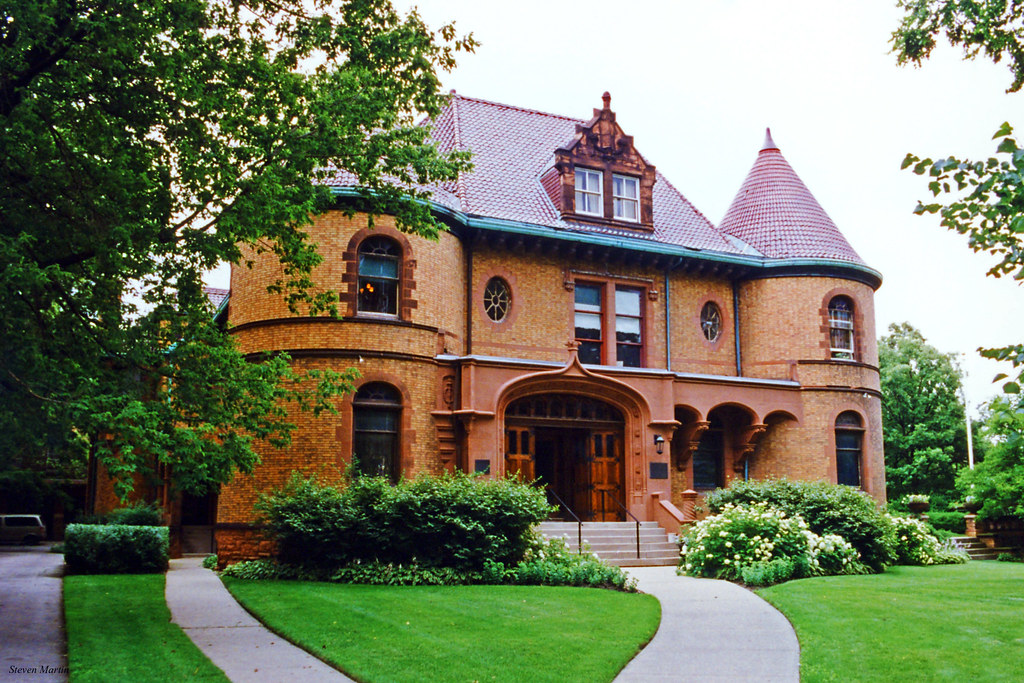
- A long-held family home filled with decades of belongings
- A condo building requiring scheduled access, elevator reservations, and strict move-out rules
- Time pressure from attorneys, court deadlines, or property sale timelines
- Multiple heirs with different expectations or levels of involvement
- A large collection of antiques needing to be appraised
In many cases, no one is certain:
- what has significant value
- what requires formal appraisal
- what can be handled more simply
Without a clear plan, estates can stall or become contentious. Items may be undervalued, overlooked, or disputed, creating unnecessary complications during probate.
Chicago-based ISA certifed and USPAP compliant appraisal specialists since 1969, providing valuations that meet legal, tax, and estate requirements.
How We Help with Probate Appraisals
Lost Eras provides probate appraisals grounded in both professional standards and real-world market experience.
Our appraisals are developed in accordance with Uniform Standards of Professional Appraisal Practice when required, and we are affiliated with the International Society of Appraisers. We regularly prepare valuations that meet Internal Revenue Service requirements for estate reporting and related documentation.
Beyond credentials, our approach is rooted in decades of hands-on work. As a Chicago-based family business established in 1969, we actively evaluate, price, and sell estate contents across a wide range of property types. This allows us to base valuations on:
- Actual auction results
- Estate sale performance
- Current secondary market demand
We assist clients by:
- Identifying which items require formal appraisal vs. general valuation
- Providing clear, well-supported values for estate use
- Advising on next steps, including sale or distribution
- Coordinating with attorneys, executors, and families as needed
This ensures valuations are not theoretical—they reflect what items are truly worth in today’s market.

” We make sure every client approaches their unique situation with a feeling of ease and confidence when we commit to an assignment. Our goal is to provide accurate and top quality reports to get you through a challenging time minimizing difficuly wherever we can.”
– C. Joseph Walters, ISA – Lead Appraiser
Our Appraisal Practice Areas
Inherited Estates
when heirs live out of state and need a reliable local partner

Downsizing
From a long-time family home into a condo, senior living, or a smaller footprint

Probate & Estate
Where documentation and decision-making timelines matter
Relocation
For work or family needs, often with or without a firm move-out date.
Frequently Asked Questions
Question not here?
Professional Ethics Statement
Our Promise to you
At Lost Eras we live by the motto “Integrity is doing the right thing, even if nobody is watching.” Our personal and professional ethics help us to pick the legitimate option in sensitive situations. We answer all questions with honesty and forthrightness. We will never take advantage of someone for momentary monetary gains because we believe in a greater universal kinship.
What to Expect When Working With Lost Eras
1. Initial consultation
We begin by understanding the estate, timeline, and any legal or reporting requirements. This may involve discussion with the executor, family members, or attorney.
2. Review of contents
We assess the property in person, whether it is a house, apartment, or condo. We identify items of value and determine the scope of appraisal work.
3. Appraisal or valuation needs
We distinguish between:
- items requiring formal, documented appraisal
- items suitable for general estate valuation
This keeps the process efficient and appropriate for the situation.
4. Sale planning
If assets will be sold, we advise on the best method:
- estate sale
- auction
- private placement
This ensures valuation aligns with realistic outcomes.
5. Sale and settlement
When needed, we assist with execution and provide guidance through final settlement, helping move the estate toward resolution.